

Understanding pipe elbow center calculation is essential in piping design, fabrication, and installation. The elbow center, also known as the center-to-face or centerline radius reference, plays a key role in ensuring accurate pipe alignment, reducing installation errors, and controlling material costs. In industrial piping systems such as fire protection, plumbing, oil and gas, and HVAC, even small calculation mistakes can lead to misalignment, leakage, or rework.
This article explains how to calculate the elbow center clearly and practically, helping engineers, fabricators, and installers achieve precise results in real-world projects.
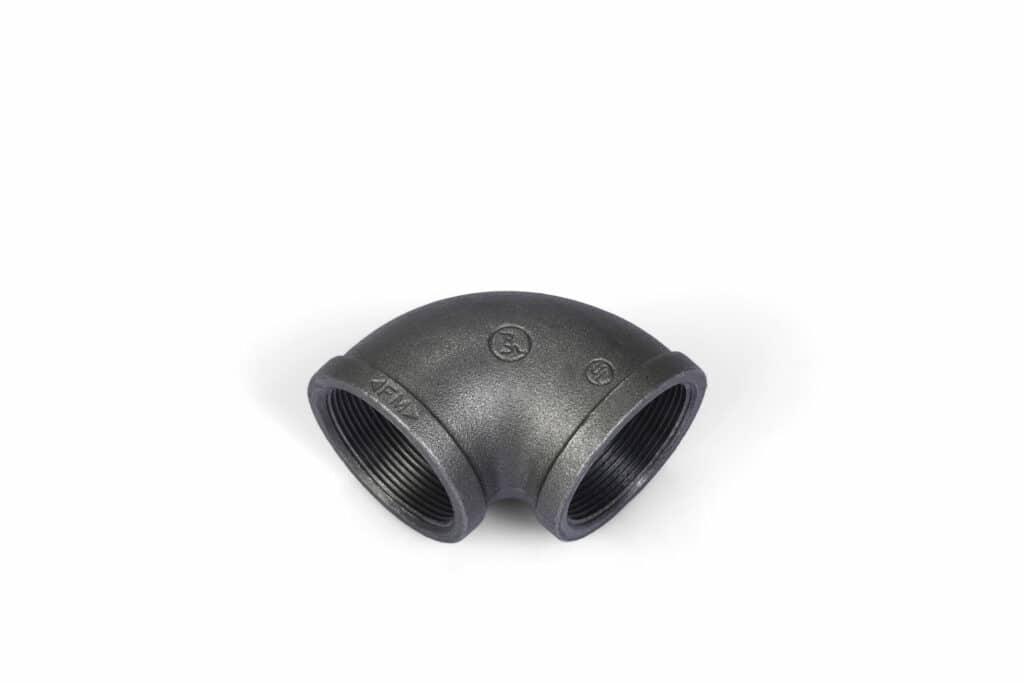
What Is an Elbow Center in Pipe Fittings
The elbow center refers to the distance from the center point of the elbow’s curvature to the end face of the elbow. This measurement is critical when determining the overall dimensions of a piping layout. Different elbow angles, such as 45-degree or 90-degree elbows, have different center values depending on their radius and nominal pipe size.
In standard piping practice, elbows are commonly classified as long radius or short radius. Long radius elbows typically have a centerline radius equal to 1.5 times the nominal pipe diameter, while short radius elbows usually have a radius equal to the pipe diameter. Knowing which type you are using is the first step in accurate pipe elbow center calculation.
Why Pipe Elbow Center Calculation Matters
Accurate elbow center calculations help ensure that pipe spools fit correctly during installation. When prefabricated pipes arrive on site, correct center dimensions reduce the need for cutting or adjustment. This improves efficiency, lowers labor costs, and minimizes waste.
In industries that require high precision, such as fire protection systems or industrial pipelines, correct elbow center calculations also support system safety and compliance with engineering standards. Reliable suppliers like jianzhi pipe fittings provide standardized elbow dimensions that make these calculations more consistent and dependable.
Basic Principles Behind Elbow Center Calculation
The calculation of an elbow center is based on geometry. The elbow forms part of a circle, and the centerline radius determines the relationship between angle and length. For a standard elbow, the center-to-face dimension depends on the elbow angle and the radius of curvature.
For example, a 90-degree elbow represents a quarter of a full circle. A 45-degree elbow represents one-eighth of a full circle. By understanding this relationship, you can calculate the center distance using basic trigonometric principles or standard formulas used in piping engineering.
Formula for Pipe Elbow Center Calculation
The most commonly used method for pipe elbow center calculation involves multiplying the centerline radius by a trigonometric factor related to the elbow angle. This provides the center-to-face dimension required for layout and fabrication.
For a more detailed explanation and practical formulas, you can refer to this professional guide on pipe elbow center calculation, which clearly explains how elbow size and angle affect the final measurement. Using verified formulas helps ensure accuracy and consistency across different projects.
Differences Between Long Radius and Short Radius Elbows
Long radius elbows are widely used because they reduce flow resistance and are easier to calculate in complex layouts. Their predictable geometry makes center calculations straightforward and reliable. Short radius elbows, while more compact, require greater attention to detail due to tighter curvature and higher flow impact.
When performing pipe elbow center calculations, always confirm whether the design specifies long radius or short radius elbows. Mixing these two types without proper calculation can lead to alignment problems and pressure losses in the system.
Practical Applications in Pipe Fabrication
In pipe fabrication workshops, elbow center calculations are used to determine cut lengths for straight pipes connected to elbows. By knowing the exact center-to-face dimension, fabricators can prepare pipe spools that fit perfectly once installed on site.
This is especially important in prefabricated systems, where multiple elbows and straight sections are assembled before delivery. Consistent calculations, combined with quality components from trusted manufacturers such as jianzhi pipe fittings, help ensure that every section aligns correctly during installation.
Common Mistakes to Avoid
One common mistake is ignoring manufacturing tolerances. While formulas provide theoretical values, real-world fittings may have slight variations. Always refer to manufacturer data sheets when available.
Another frequent error is confusing nominal pipe size with actual outside diameter. Since elbow center calculations are based on nominal sizes and standard radii, using incorrect dimensions can lead to inaccurate results. Clear communication between design, procurement, and fabrication teams helps prevent these issues.
Benefits of Standardized Elbow Dimensions
Using standardized elbows simplifies pipe elbow center calculation and reduces the risk of errors. Standards ensure that elbows of the same size and type share consistent center dimensions, regardless of project location.
Manufacturers who follow international standards make it easier for engineers and installers to apply proven formulas without recalculating from scratch. This improves efficiency, accuracy, and overall project quality.
Conclusion
Mastering pipe elbow center calculation is an essential skill for anyone involved in piping system design and installation. By understanding elbow geometry, choosing the correct radius type, and applying reliable formulas, professionals can ensure precise layouts and smooth installations. With support from experienced suppliers and clear technical references, accurate elbow center calculation becomes a practical and valuable part of everyday piping work.