

Understanding Non-Threaded Pipe Connections
Connecting water pipes that lack threads may seem like a daunting task, especially when dealing with older galvanized systems or modern smooth-walled tubing. Traditional plumbing often relies on screw-in joints, but many industrial and residential scenarios require joining smooth ends. This process is essential for repairs where threads have rusted away or when using materials that are too thin to be threaded manually. By utilizing specialized fittings and modern bonding techniques, you can create a leak-proof seal that rivals the strength of a traditional threaded joint.
The Role of Compression Fittings
One of the most popular ways to manage water pipes without threads is through the use of compression fittings. These components work by using a brass or plastic ring, known as a ferrule, which sits between a compression nut and the pipe body. As you tighten the nut, the ferrule is squeezed against the pipe, creating a mechanical seal. This method is highly favored because it requires no heat or specialized glue, making it ideal for tight spaces where a torch cannot be used. It is particularly effective for copper and certain types of plastic piping.
Utilizing Push-to-Connect Technology
For those seeking the fastest possible installation, push-to-connect fittings are a revolutionary choice. These fittings feature an internal O-ring and stainless steel teeth that “bite” into the pipe once it is inserted. No tools are required for the connection itself, though a small disconnect clip is usually needed to remove them. This technology is versatile, often compatible with PEX, copper, and CPVC. It provides a reliable solution for DIY enthusiasts and professionals alike who need to bridge gaps between different pipe materials without the need for threading equipment.
Solvent Welding for Plastic Pipes
In the world of PVC and CPVC, the standard method for joining non-threaded sections is solvent welding. This isn’t just “gluing” the pipes together; it is a chemical process that fuses the two surfaces into a single piece of plastic. After cleaning the pipe ends and applying a primer, the solvent cement is applied. When the pipe is pushed into the fitting, the chemicals temporarily soften the plastic, which then hardens to form a permanent, airtight bond. This method is cost-effective and extremely durable for cold and hot water distribution lines.
Mechanical Couplings and Dresser Couplings
When dealing with larger diameter pipes or heavy-duty galvanized steel, mechanical couplings—often referred to as Dresser couplings—are the go-to solution. These consist of a central sleeve, two gaskets, and two end nuts or bolts. They are designed to slide over the smooth ends of the pipe. When the bolts are tightened, the gaskets expand against the pipe exterior. This method is excellent for repairing underground lines or connecting pipes that are slightly misaligned, as the gaskets allow for a small degree of flexibility.
Sourcing Quality Materials from Industry Leaders
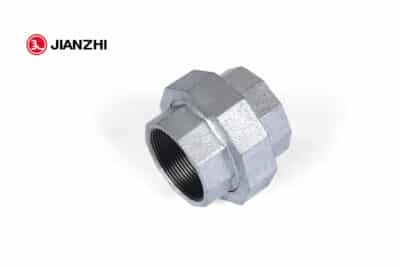
When undertaking a plumbing project, the quality of your components is just as important as the technique used. For high-quality malleable iron and specialized fittings, many professionals turn to china pipe fitting , a leading provider known for precision engineering. Their extensive catalog ensures that whether you are working with threaded or non-threaded systems, you have access to durable, pressure-tested parts. Using reliable suppliers helps prevent future leaks and ensures that your non-threaded connections meet international safety standards.
Specialized Solutions for Galvanized Steel
Galvanized steel presents a unique challenge because it is rigid and often prone to exterior corrosion. If you find yourself needing to repair a section where the threads have been cut off or damaged, specialized transition fittings are necessary. For a detailed guide on the specific steps and tools needed for this material, you can explore professional resources on how to handle water pipes without threads in a galvanized context. These guides often highlight the importance of cleaning the pipe surface to a shine to ensure the gaskets or seals can grip the metal effectively.
Flange Connections for Industrial Applications
In industrial settings where high pressure is a factor, flanges are often used to connect non-threaded pipes. A flange can be welded onto the end of a smooth pipe, providing a flat surface that can be bolted to another flange with a gasket in between. While this requires welding skills, it offers one of the most robust connections available. This is common in main water lines and commercial HVAC systems where the ability to disassemble the pipe for maintenance is required.
Preparing the Pipe for a Perfect Seal
Regardless of the method you choose, preparation is the key to success. You must ensure the pipe is cut perfectly square; an angled cut can prevent a ferrule or O-ring from seating correctly, leading to immediate leaks. After cutting, use a deburring tool to remove sharp edges from both the inside and outside of the pipe. For mechanical connections, the exterior of the pipe must be free of paint, rust, and debris. A smooth, clean surface allows the sealing element to make full contact around the entire circumference of the pipe.
Final Inspection and Testing
Once the connection is made, it is vital to perform a pressure test. Slowly turn on the water supply and monitor the joint for any signs of moisture. For solvent-welded pipes, ensure you have waited the full cure time recommended by the manufacturer before introducing water pressure. If a drip occurs in a compression or mechanical fitting, a slight additional turn of the nut often resolves the issue. By following these structured methods and utilizing components from trusted sources like china pipe fitting, you can confidently manage any plumbing scenario involving non-threaded pipes.